Have you ever noticed the bright colors on warning panels? The other day, I was walking through a park when a vivid yellow panel caught my eye. It got me thinking about why we use different colors to distinguish detectable warning panels. This approach is crucial for safety and accessibility.
The Importance of Color Coding
Using various colors helps people quickly identify and respond to potential hazards. Imagine this: you’re out for a jog, and you see a red panel signaling danger. Your heart races, and you instinctively steer clear. That’s the power of color in action.
Enhancing Visibility
Colors make warning panels stand out. Here are a few reasons why this matters:
- Quick Recognition: Bright colors grab attention fast.
- Universal Understanding: Certain colors convey specific meanings. For example, red often signals danger.
- Accessibility: Using color helps those with visual impairments recognize warnings better.
Color Choices Matter
Not all colors are created equal. Each shade has its own significance. For instance, yellow often indicates caution, while blue can suggest information. The choice of color can affect how we perceive and react to our environment.
Real-Life Applications
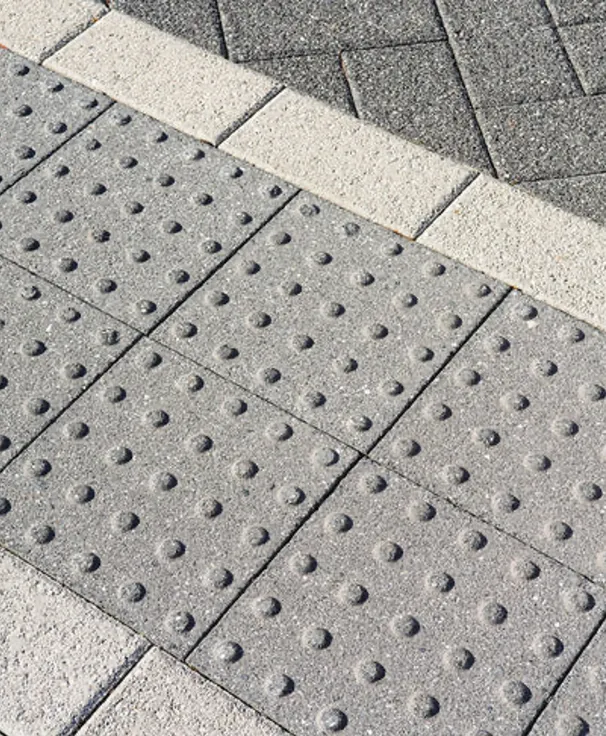
I’ve seen how effective color coding can be in various places. At my local mall, the bright orange panels alert shoppers to potential slip hazards. Instead of just walking past, people notice and adjust their steps. This simple change can prevent accidents.
Combining Colors for Clarity
Sometimes, a single color isn’t enough. By using multiple colors together, we can convey more information. For example, a panel with both yellow and black stripes signals caution while also indicating a specific hazard. This layered approach offers clarity.
Choosing the Right Tactiles
When selecting detectable warning panels, consider the colors carefully. You want them to be effective in real-world situations. If you’re looking for quality options, check out tactiles for sale. They can provide great guidance on choosing the right colors and styles.
Conclusion
In the end, using different colors to distinguish detectable warning panels is about safety. It helps everyone, including those with different abilities, understand their surroundings better. So next time you see those bright panels, remember—they’re not just pretty colors; they’re vital tools for keeping us safe.